What to expect at your first post-accident assessment
The first visit after a collision or fall sets the tone for everything that follows: your recovery plan, your records, and — if a claim is involved — the documentation that supports it. Here is exactly what happens, start to finish.
Before you arrive
Plan for about 60–90 minutes. Bring a photo ID, insurance or claim information, a list of current medications, and any imaging or records you already have from an emergency department or urgent care visit.
Photo ID and insurance/claim number
Police report or incident report, if one exists
Any ER discharge paperwork, X-rays, CT or MRI discs
A two-week log of symptoms — pain, sleep, mood, concentration
Intake and history
A practitioner walks through the mechanism of injury in detail: speed, direction of impact, seat position, headrest, airbag deployment, whether you lost consciousness, and what you felt in the minutes, hours, and days afterward.
This narrative matters clinically and legally. Delayed-onset symptoms are common and completely normal — say so plainly rather than minimizing them.
The physical examination
Expect a focused musculoskeletal and neurologic exam: range of motion, strength and reflex testing, palpation for point tenderness, gait and balance screening, and — where indicated — vestibular and cognitive screening for concussion.
Imaging and referrals
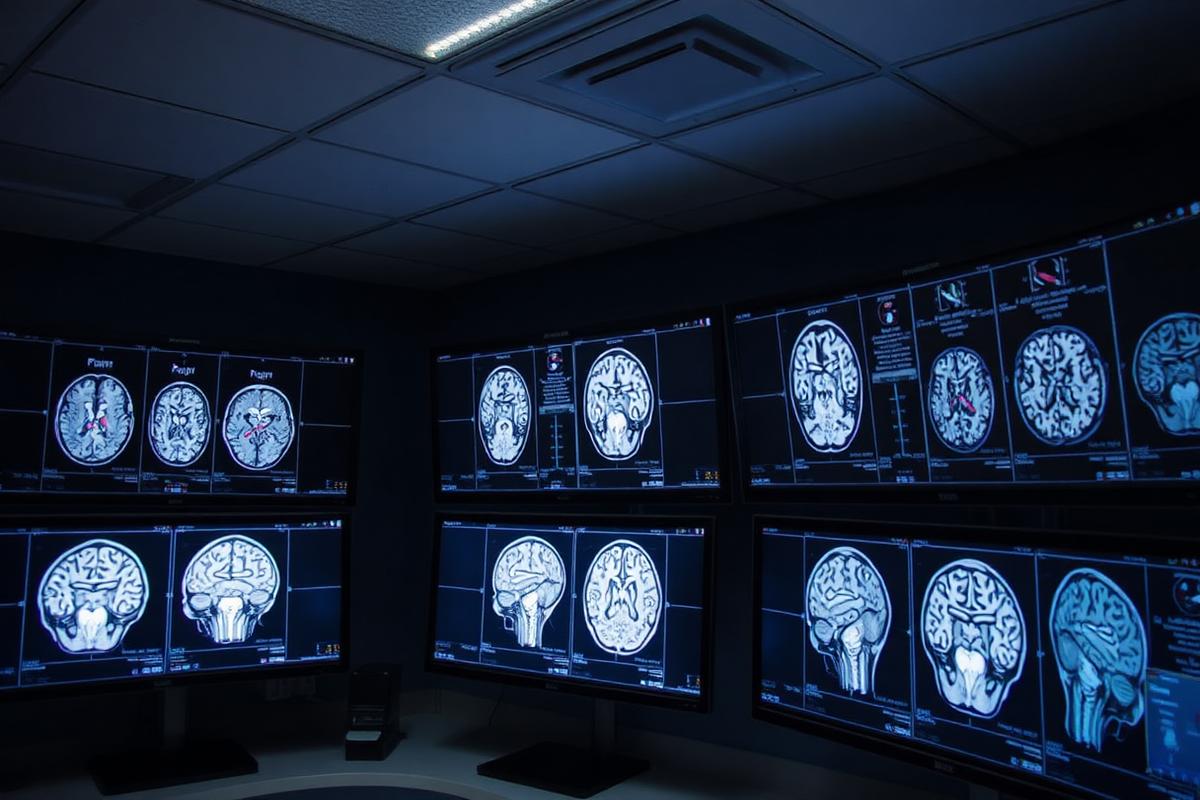
Not every injury needs imaging on day one. When red flags are present — progressive neurologic deficit, severe midline tenderness, suspected fracture, or symptoms that worsen instead of plateau — we order or coordinate it promptly and review it with you.
Your plan and follow-up
You leave with a written plan: activity guidance, therapy or specialist referrals, work or school restrictions if needed, and a follow-up interval. A copy of the report goes to whoever you authorize — your attorney, primary care provider, or employer.
Key takeaway
Come with your timeline and paperwork, describe symptoms honestly even if they seem minor, and leave with a written plan and a scheduled follow-up.
Have questions about your own case?
Our health practitioners assess post-accident injuries in Texas and Florida, with telehealth available.