Patient education center

Understand your injury before anyone else defines it.

Short videos, illustrated guides, and checklists covering car accidents, falls, concussion, imaging, billing, and your rights — written and curated by our health practitioners.


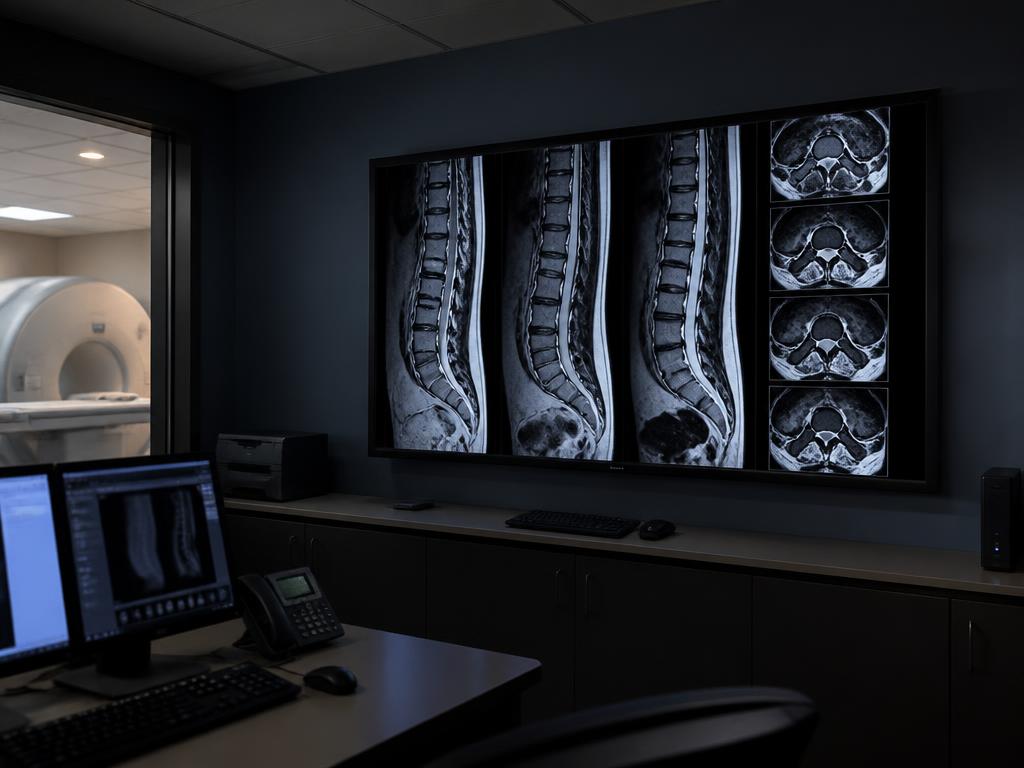
Rear-end car accident scene with vehicle damageWet floor hazard beside a staircaseSpine MRI studies on a radiology reading-room displayNarrative medical report being prepared
Video education

Six minutes now saves six weeks of guessing.

Curated from the CDC, academic medical centers, and physical therapy educators. Nothing plays until you press play.

Whiplash explained

ChiroUp

How a rear-end collision loads the neck, and why pain often peaks days later.

Treating acute whiplash after a crash

Pain Science Physical Therapy

The first two weeks: movement, pacing, and what actually speeds recovery.

Caring for yourself after a concussion

CDC HEADS UP

Symptoms, red flags, rest-and-return guidance from the CDC.

How a concussion affects the brain

Nucleus Medical Media

A 3D animation of what happens inside the skull on impact.

What is an MRI?

Ohio State Wexner Medical Center

Why we order MRI for soft-tissue and disc injuries, and how it differs from X-ray.

What an MRI scan feels like

Cancer Research UK

A short walkthrough of the scan itself, if you've never had one.

Injury guides

What to do, injury by injury.

After a car accident

After a car accident

Adrenaline masks injury. Here is the first-72-hours checklist that protects both your recovery and your record.

  • Get evaluated within 72 hours, even if you feel fine
  • Photograph vehicle damage, the scene, and any visible injury
  • Write down symptoms daily — dates matter more than adjectives
  • Keep every discharge sheet, bill, and imaging disc
  • Do not give a recorded statement before you are assessed
After a slip, trip, or fall

After a slip, trip, or fall

Falls produce wrist, hip, spine, and head injuries that are routinely under-documented at the scene.

  • Report the fall to the property owner in writing the same day
  • Photograph the hazard, lighting, footwear, and any warning signs
  • Note witness names before they leave
  • Ask for imaging if you struck your head or landed on an outstretched hand
  • Track balance, headache, and memory changes for two weeks
Concussion & nerve symptoms

Concussion & nerve symptoms

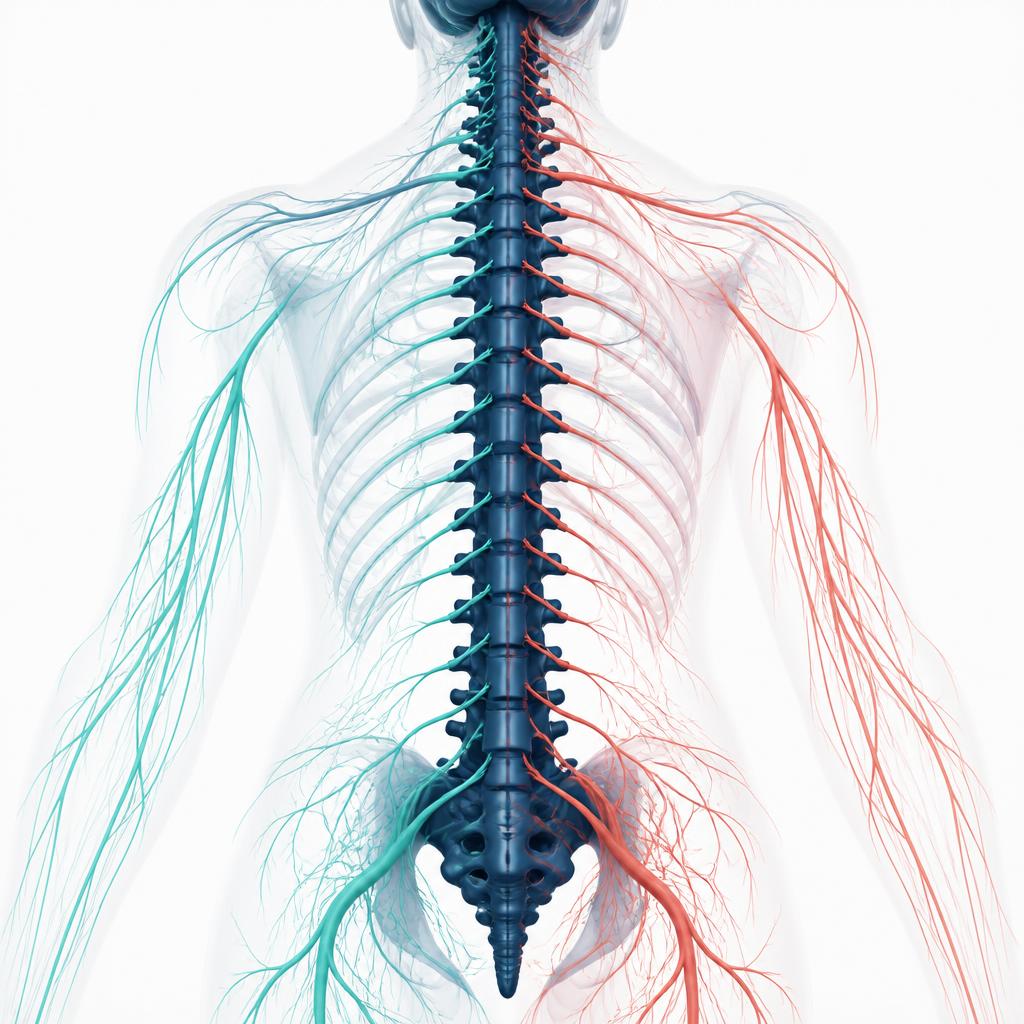
Brain and nerve injuries are clinical diagnoses — normal scans do not rule them out.
  • Headache, light sensitivity, fog, and irritability are core symptoms
  • Numbness, tingling, or weakness suggests nerve-root involvement
  • Sleep and screen time drive symptom load early on
  • Return to work and driving should be staged, not sudden
  • Cognitive screening gives us an objective baseline
Spine, disc & soft tissue

Spine, disc & soft tissue

Most accident injuries live in ligaments, discs, and muscle — the tissue that plain X-rays cannot see.

  • Range-of-motion testing quantifies what you feel
  • MRI resolves disc bulge, herniation, and annular tears
  • Early gentle loading beats prolonged bed rest
  • Flare-ups are normal; a plateau at six weeks is not
  • Objective re-testing documents real progress

Emergency red flags

These symptoms are not for a scheduled assessment. Call 911 or go to the nearest emergency department, then tell us — we'll build your record around that visit.

  • Worsening or thunderclap headache
  • Repeated vomiting or seizure
  • Numbness, weakness, or loss of bladder control
  • Chest or abdominal pain after impact
  • Confusion, slurred speech, or unequal pupils
  • Fever with spinal pain

What to bring

  • Photo ID and insurance or claim details
  • Referring attorney, adjuster, or provider contact
  • A list of current medications and dosages
  • Prior imaging, reports, or discharge paperwork
  • Notes on symptoms, dates, and missed work

Billing & payment

  • Auto claims billed to PIP, MedPay, or liability coverage
  • Letters of protection accepted from attorneys
  • Self-pay pricing quoted in writing before your visit
  • No surprise balance billing — you'll know costs up front

Your records & privacy

  • HIPAA-compliant handling of every record
  • Copies of your report available on request
  • Records released to third parties only with your authorization
  • Secure telehealth for follow-ups and results review

Your rights after an accident

  • You choose your own provider — no insurer can assign one
  • You are entitled to copies of your medical records
  • You may bring an observer to an independent examination
  • You do not have to give a recorded statement before being evaluated
Telehealth assessment visit

Your first assessment is a secure video visit.

No waiting room, no drive while you're in pain. We review your history, screen your symptoms, and route you to imaging or in-clinic care only where it's genuinely indicated.

Library

Keep reading

Still not sure what you're dealing with?

Intake is free and honest. Tell us what happened and we'll tell you what makes sense next.

Contact intake